Results from Our New Online Program
 How much can you transform and heal in 14 weeks with a Cayce-based learning community? The results are very encouraging—even dramatic—from the inaugural online learning cohort “Keys to Inner Transformation and Healing” from A.R.E.’s new Tarsia Center. Narrative reports from participants revealed three kinds of transformative change—just the sort of experiences that you can have, too, by joining the second cohort group that starts with Mary Elizabeth Lynch and Mark Thurston on August 11. See edgarcayce.org/tarsia.
The first kind of change revealed from the reports was Enhanced Hopefulness. Without hope it’s hard to see a way forward to changing and becoming more of a whole person. As one participant described this theme, “I am now more compassionate with myself and others. I am seeing more regularly through a lens of hope. But, I am also shaken-up a bit (which is when change happens) and still working on trusting that the future is hopeful. I have done and will do my part in continuing to spread hope in my approaching retirement years.” (M.T.)
A second theme that we found in the narrative reports at the end of the 14-week online learning community was Reduced Reactivity and Anxiety. Probably all of us know how anxiety and emotional reactivity can be corrosive to health and well-being. It’s not easy to turn around those tendencies in us, but the “Keys to Inner Transformation and Healing” from the Cayce readings helped participants to move in that direction. As one participant wrote in her narrative report on personal results, “Emotionally, I have found myself more patient when faced with challenges. My mindfulness in my everyday life has exponentially increased. I am more mindful in my thoughts, feelings, and actions.” (B.B.)
Yet another participant addressed this second theme and drew attention to a specific application exercise from the program: “I use the wonderful phrase you taught in one of the earlier sessions: What have we here? This question is fabulous when it comes to observing bodily feelings rather than (again) reacting to them. This sentence helps me foster a sense of curiosity which in turn, reduces my reactivity (and anxiety). I suffer from generalized anxiety disorder and this has helped me enormously. I am so grateful!” (G.H.)
A third theme from the narrative reports was enhanced Capacity for Courage to face problems and challenges. Over the 14 weeks, some participants especially noted a sense of belonging to a supportive learning community and a greater capacity to deal with and navigate difficulties in a courageous way. As one person put it, “I truly feel more courageous in my process of engaging with life and doing so from a place of conscious intentions, rather than habitual patterns. It’s brought me to my knees at time as I endeavored to stay on track with this personal work, particularly in light of significant personal challenges that occurred concurrently with the program. In retrospect, I see how the alchemy of it all broke me open in very needed and important ways.” (K.P.)
Everyone’s experience will be different in working through these Keys in a cohort learning community. And, if the idea sounds appealing to you, consider joining the new cohort that starts in August. You can have a look at the program description (including the nature of each of the 7 Keys, plus details on the format for how this program is presented): edgarcayce.org/tarsia
Upcoming Events

1:00 PM
2:30 PM
August 12, 2026
September 2, 2026
Course Leaders
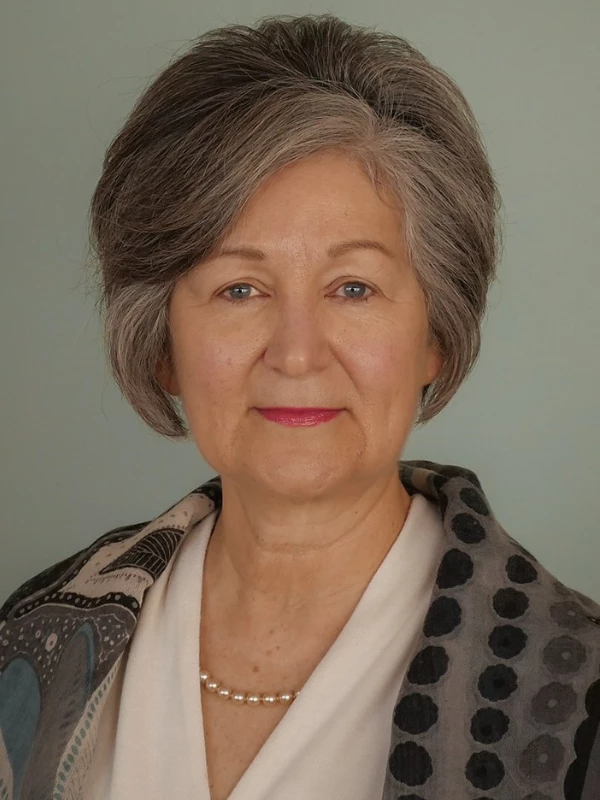
Mary Elizabeth Lynch
Mary Elizabeth Lynch, JD, is an educator, organization leader, and conflict transformation specialist who serves as president of the non-profit Personal Transformation and Courage Institute. She is an adjunct faculty member of George Mason University, where she teaches courses about mindfulness, resilience, and self-care. Mary Elizabeth is a life member of A.R.E. and has been a student of the Cayce readings for 45 years, in addition to her in-depth studies of other traditions of spirituality and healing, including Vajrayana Buddhism.
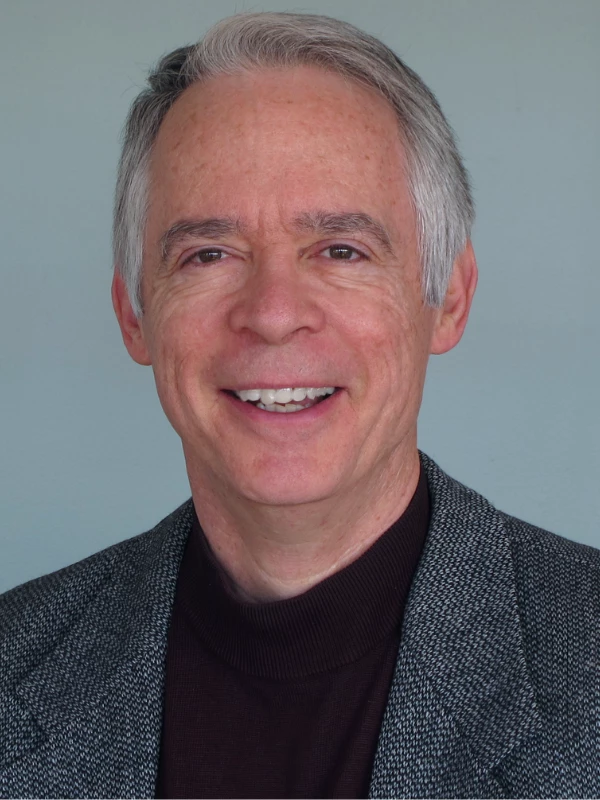
Mark Thurston
Mark Thurston, PhD, is an educator, author, and longtime leader within the A.R.E., including his current position as a member of the organization’s Board of Trustees. He works full-time as an associate professor at George Mason University, where he teaches courses about mind-body health, consciousness, and meaning. He is the author of more than a dozen books about spirituality, personal transformation, and finding one’s calling in life.